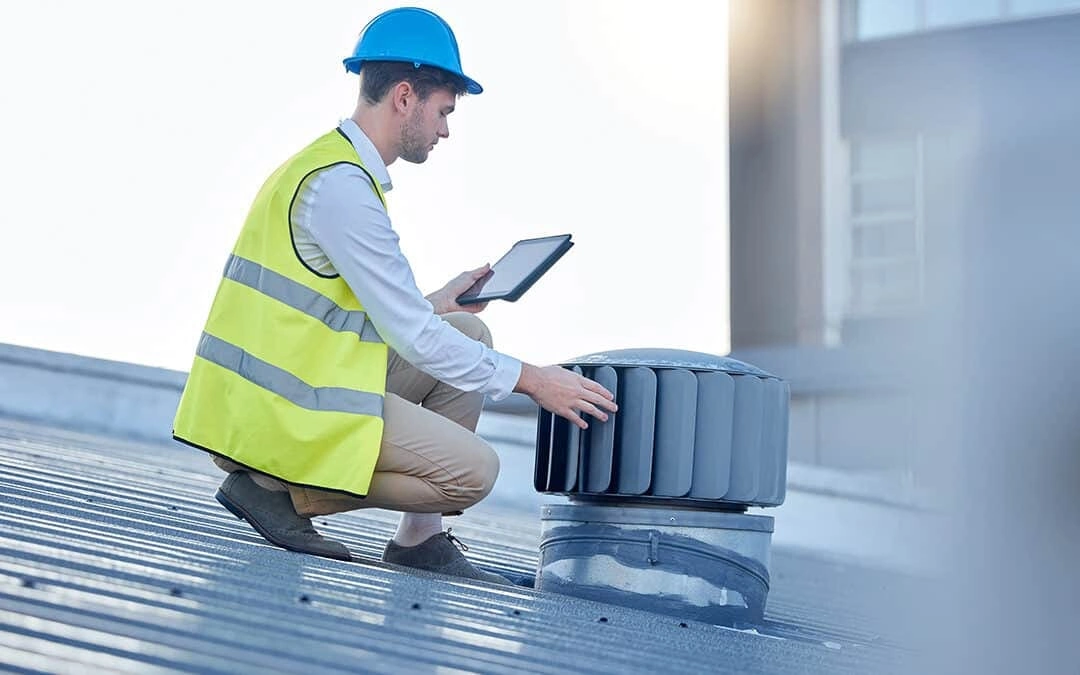
Commercial roofing inspections are vital in the real estate market, influencing property value greatly. These assessments provide a detailed overview of a roof’s condition, identifying potential issues that could impact a buyer’s investment. From leaks to structural weaknesses, such findings can affect both negotiation power and buyer confidence. Understanding the implications of these inspections is essential for all parties involved. What factors should be considered to maximize property value during such evaluations?
Key Takeaways
- Commercial roofing inspections reveal critical issues, ensuring informed buyer decisions and reducing potential liabilities during transactions.
- Well-documented inspection reports build trust, fostering smoother negotiations and enhancing perceived property value.
- Identifying and addressing roofing problems early mitigates unforeseen repair costs, protecting long-term investment viability.
- Regular inspections demonstrate proactive maintenance, appealing to buyers and investors seeking well-cared-for properties.
- Understanding the age and warranty status of roofing materials helps buyers plan for future maintenance, influencing pricing negotiations.
Why the Commercial Roofing Inspection Process Is Essential for Property Value
The commercial roofing inspection process plays a pivotal role in determining property value within real estate transactions. This systematic evaluation assesses the condition, durability, and potential liabilities associated with a commercial roof. By identifying issues such as leaks, structural integrity, and material wear, the process provides essential insights that inform both buyers and sellers. A thorough inspection can greatly enhance property value by mitigating unforeseen repair costs and ensuring compliance with safety standards. Additionally, a well-documented inspection report can serve as a valuable asset during negotiations, fostering trust among stakeholders. Ultimately, understanding the commercial roofing inspection systems empowers property owners to make informed decisions, enhancing their investment’s stability and marketability in a competitive landscape.
Understanding the Commercial Roofing Inspection Process
While engaging in the commercial roofing inspection process, various critical components must be meticulously reviewed to guarantee a thorough evaluation of the roof’s condition. Inspectors typically begin by examining the roofing materials, checking for signs of deterioration, wear, or improper installation. Next, they assess drainage systems, including gutters and downspouts, to ensure adequate water flow, preventing potential damage. The structural integrity of supporting elements, such as beams and trusses, is also scrutinized for any weaknesses. Additionally, inspectors examine flashings and seals around penetrations to identify vulnerabilities. Finally, a detailed report is generated, encompassing all findings and recommendations, which serves as an essential tool for stakeholders aiming to enhance property value and make informed real estate decisions.
Typical Roofing Problems Found During Commercial Inspections
Common issues identified during the commercial roofing inspection process can greatly impact both the longevity of the roof and the overall property value. Among the most frequent problems are membrane punctures, which can lead to leaks, and improper drainage systems that may cause water pooling. Additionally, rusted or damaged flashing can compromise the integrity of the roof, while degradation of roofing materials due to age or weather exposure is also common. The presence of moss or algae can indicate moisture retention, further accelerating deterioration. These issues not only necessitate costly repairs but can also deter potential buyers, emphasizing the importance of thorough inspections. Addressing these problems proactively can considerably enhance property value and buyer confidence in real estate transactions.
What Buyers Should Know About Inspection Findings?
Understanding the implications of inspection findings is essential for buyers steering through real estate deals involving commercial properties. Buyers should meticulously evaluate the results of the commercial roofing inspection process, as these findings can considerably influence both immediate costs and long-term investment viability. Key issues such as membrane integrity, drainage efficiency, and structural support should be scrutinized, as they directly correlate with potential repair expenses. Additionally, understanding the age and warranty status of roofing materials can inform future maintenance needs. Buyers are encouraged to leverage these findings in negotiations, as they may reveal opportunities for price adjustments or stipulate conditions for repair. Ultimately, informed decision-making regarding inspection results is pivotal for maximizing property value.
Boosting Property Value With Smart Roofing Upkeep
Effective roofing maintenance plays an essential role in enhancing property value, especially in commercial real estate. A proactive approach to the commercial roofing inspection process guarantees that potential issues are identified and addressed before they escalate. Regular inspections allow property owners to maintain the integrity of their roofs, which is pivotal in preserving overall property aesthetics and functionality. By implementing smart roofing upkeep strategies, such as routine maintenance and timely repairs, owners can mitigate costly damages and extend the lifespan of their roofs. Consequently, properties with well-maintained roofs are more attractive to buyers and investors, ultimately leading to higher valuations. This systematic attention to roofing care not only fosters trust but also cultivates a sense of belonging within the community.
Frequently Asked Questions
How Often Should Commercial Roofing Inspections Be Conducted?
Commercial roofing inspections should be conducted at least twice a year, ideally in spring and fall, alongside after severe weather events. Regular assessments guarantee longevity and performance, mitigating risks associated with potential damage and costly repairs.
Can Inspections Reveal Hidden Structural Issues?
Inspections can indeed reveal hidden structural issues, such as deteriorating materials or concealed water damage. A thorough commercial roofing inspection process is essential for identifying these problems, ensuring both safety and long-term property investment value.
What Qualifications Should a Roofing Inspector Have?
A competent roofing inspector should possess relevant certifications, extensive experience in the field, and knowledge of building codes. Additionally, familiarity with various roofing materials and techniques guarantees thorough assessments during the commercial roofing inspection process.
How Do Weather Conditions Affect Inspection Outcomes?
Weather conditions markedly influence inspection outcomes, affecting roof material performance and visibility of damage. Rain, snow, or extreme temperatures can obscure issues, complicating the commercial roofing inspection process and potentially leading to overlooked concerns.
Are Commercial Roofing Inspections Worth the Investment?
Commercial roofing inspections are indeed worth the investment. They provide critical insights into roof conditions, potentially preventing costly repairs and enhancing property longevity, thereby supporting overall asset value and ensuring informed decision-making for stakeholders.
Conclusion
To summarize, commercial roofing inspections are pivotal in safeguarding and enhancing property value within real estate transactions. By identifying potential issues early, property owners can implement necessary repairs, ensuring structural integrity and longevity. A thorough inspection report not only instills confidence in prospective buyers but also facilitates informed decision-making. Ultimately, prioritizing roofing maintenance and addressing findings can lead to significant financial benefits, making properties more appealing and valuable in a competitive market.
You May Also Like To Read: